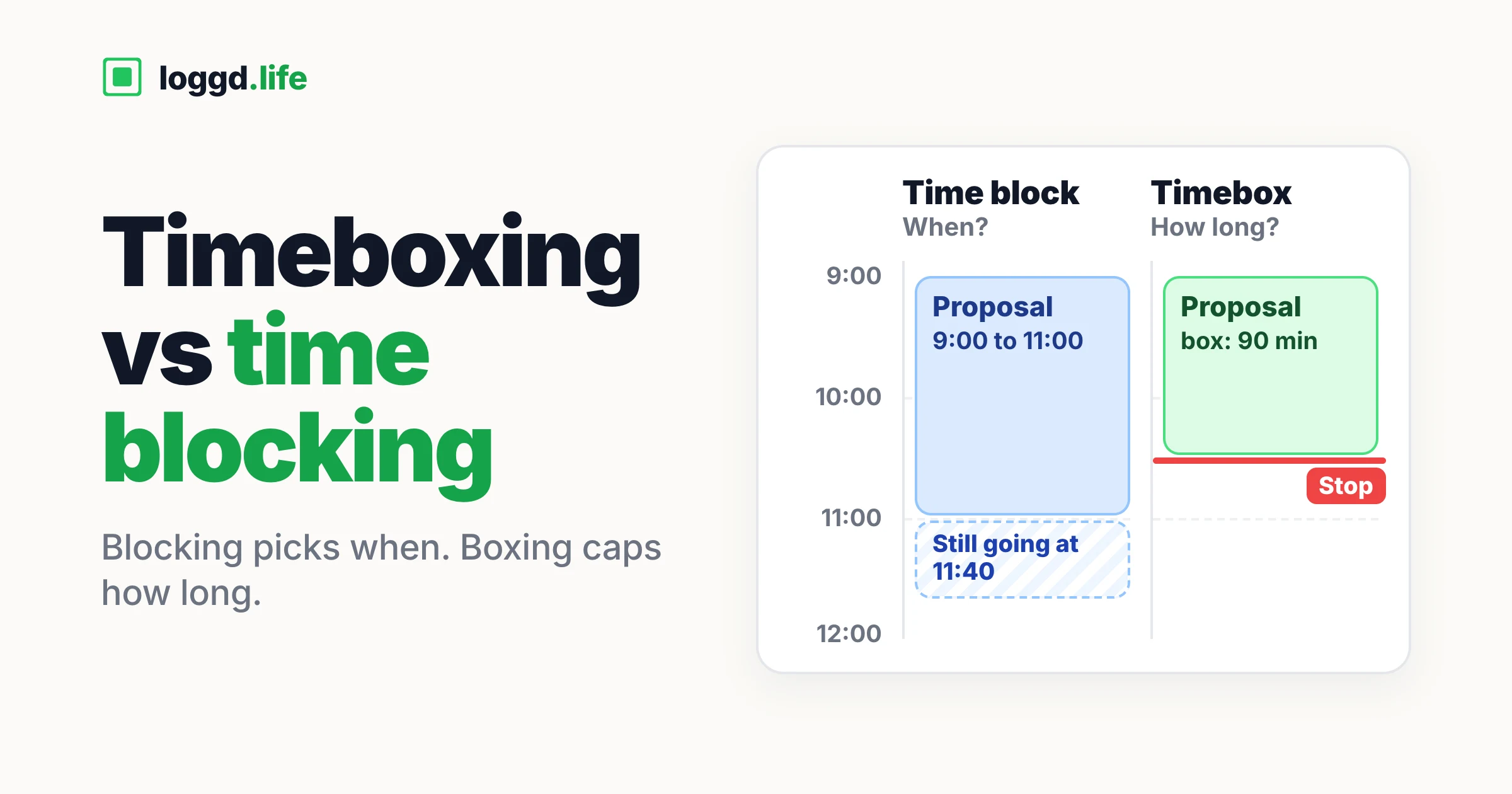
Timeboxing vs Time Blocking: The Actual Difference
Blocking answers when you will do something. Boxing sets a hard ceiling on how long it gets. Here is the clean distinction, plus batching and day theming.
Practical guides for building habits, planning your week, and actually following through.
Blocking answers when you will do something. Boxing sets a hard ceiling on how long it gets. Here is the clean distinction, plus batching and day theming.
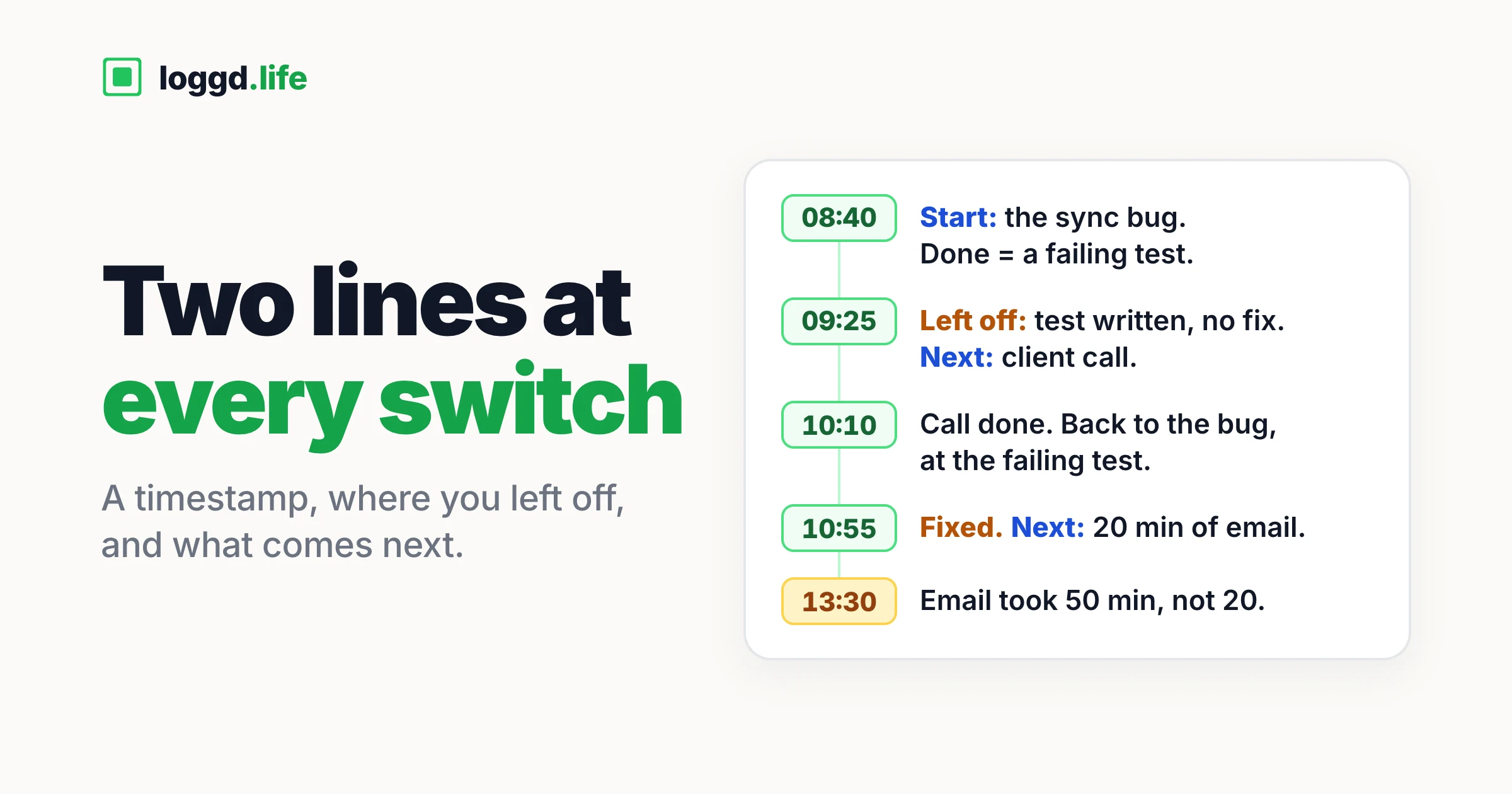
Write a timestamp and two or three lines every time you change tasks. It gives attention residue somewhere to go, and it quietly produces a time log you did not have to keep.
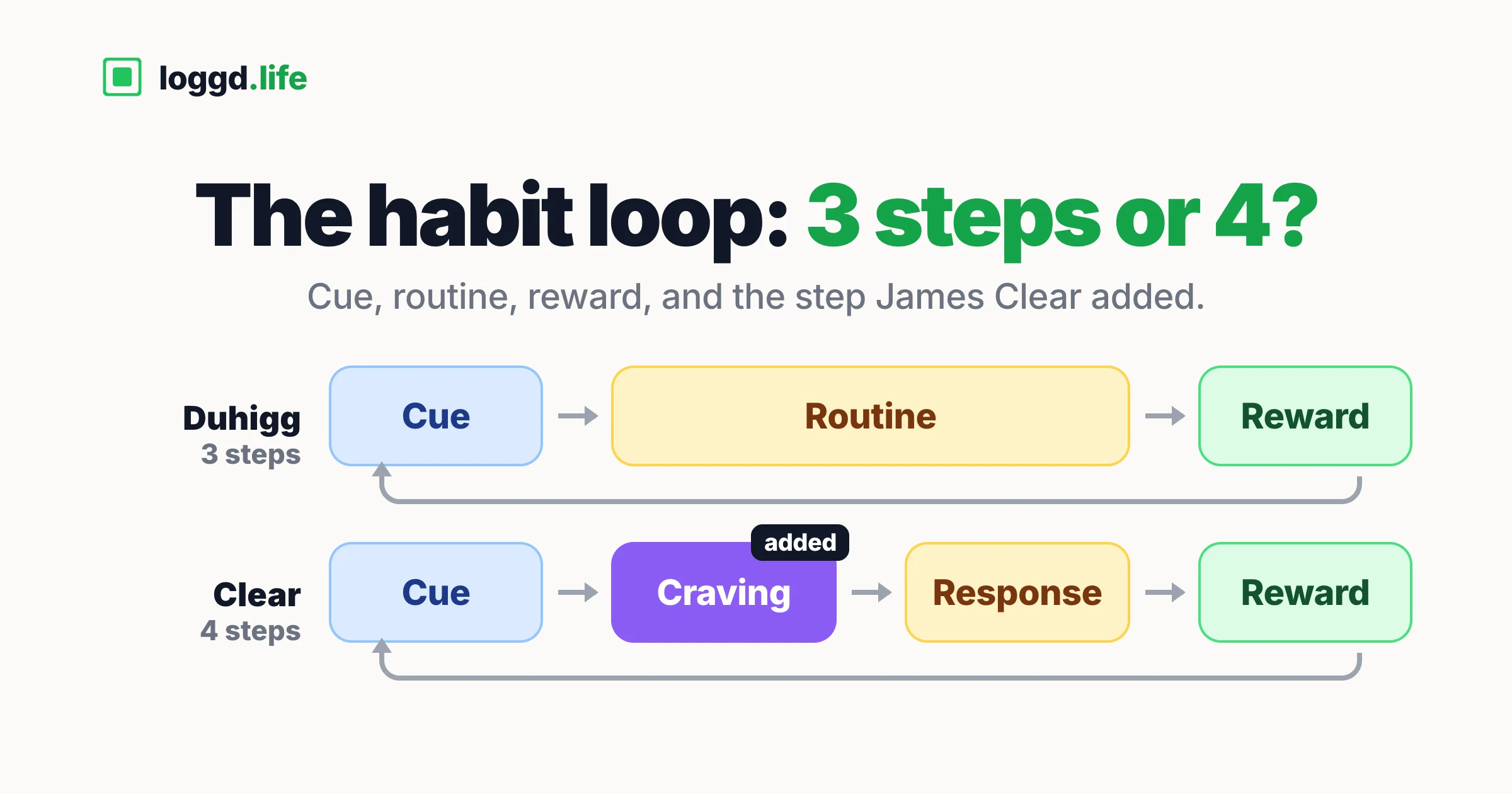
Duhigg splits a habit into three parts, Clear into four. Here is what actually differs, how to find your own cue and real reward, and two worked examples.
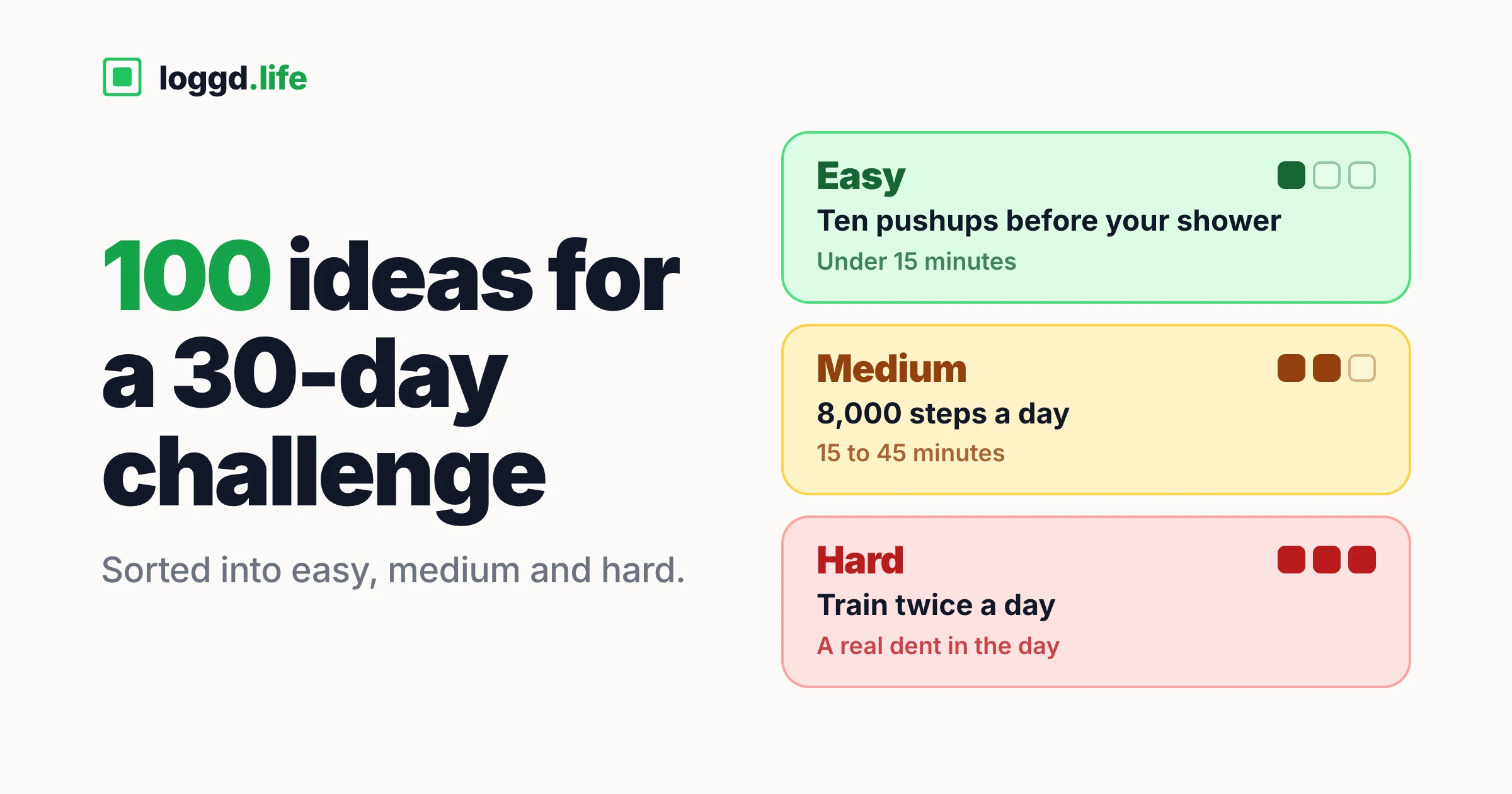
Around 100 thirty-day challenge ideas across eight areas of life, each written as a yes or no daily action, split into easy, medium and hard tiers.
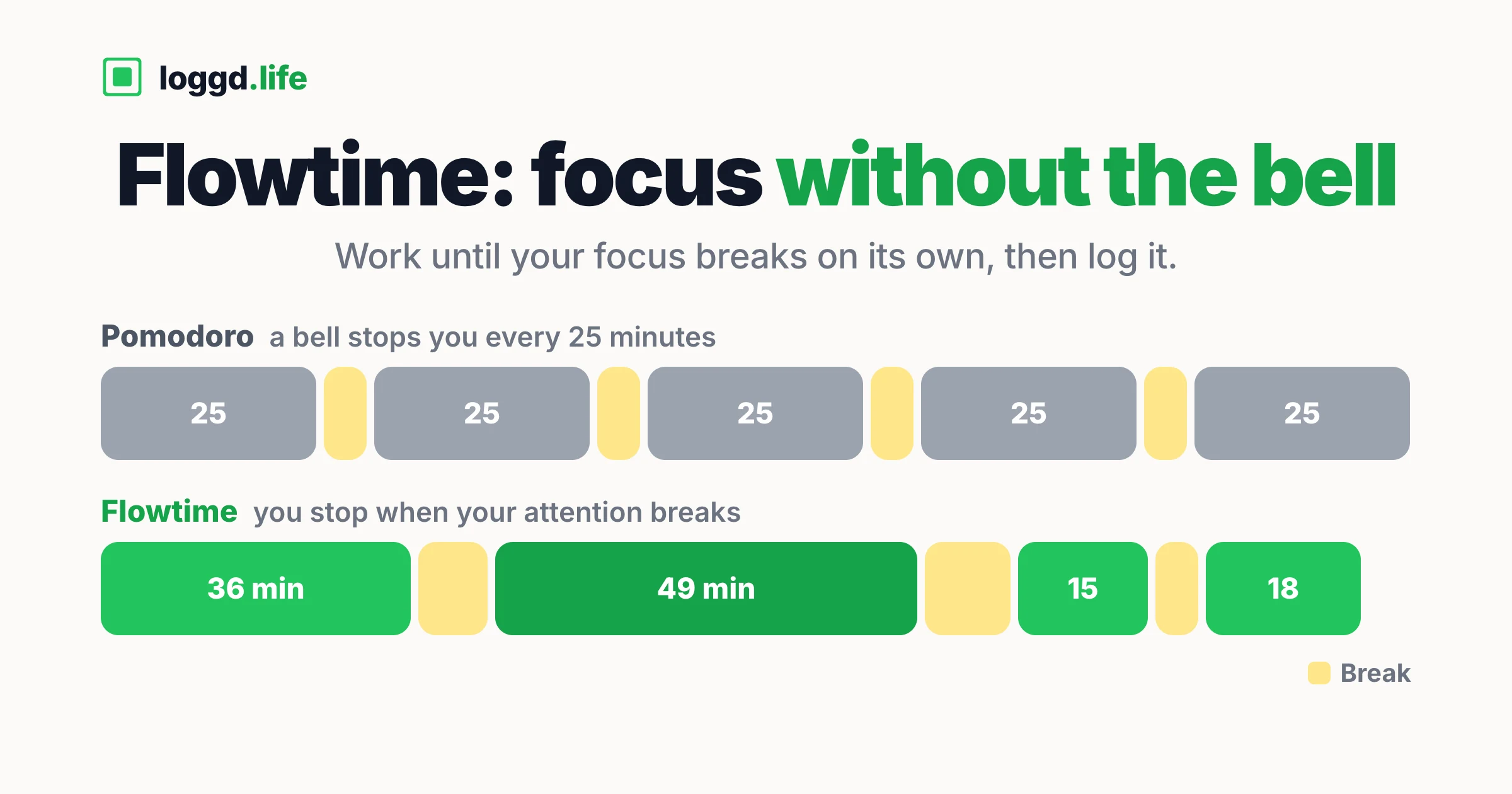
Flowtime swaps the Pomodoro bell for a stopwatch: work until your attention breaks on its own, log the block, then size the break to what you just did.
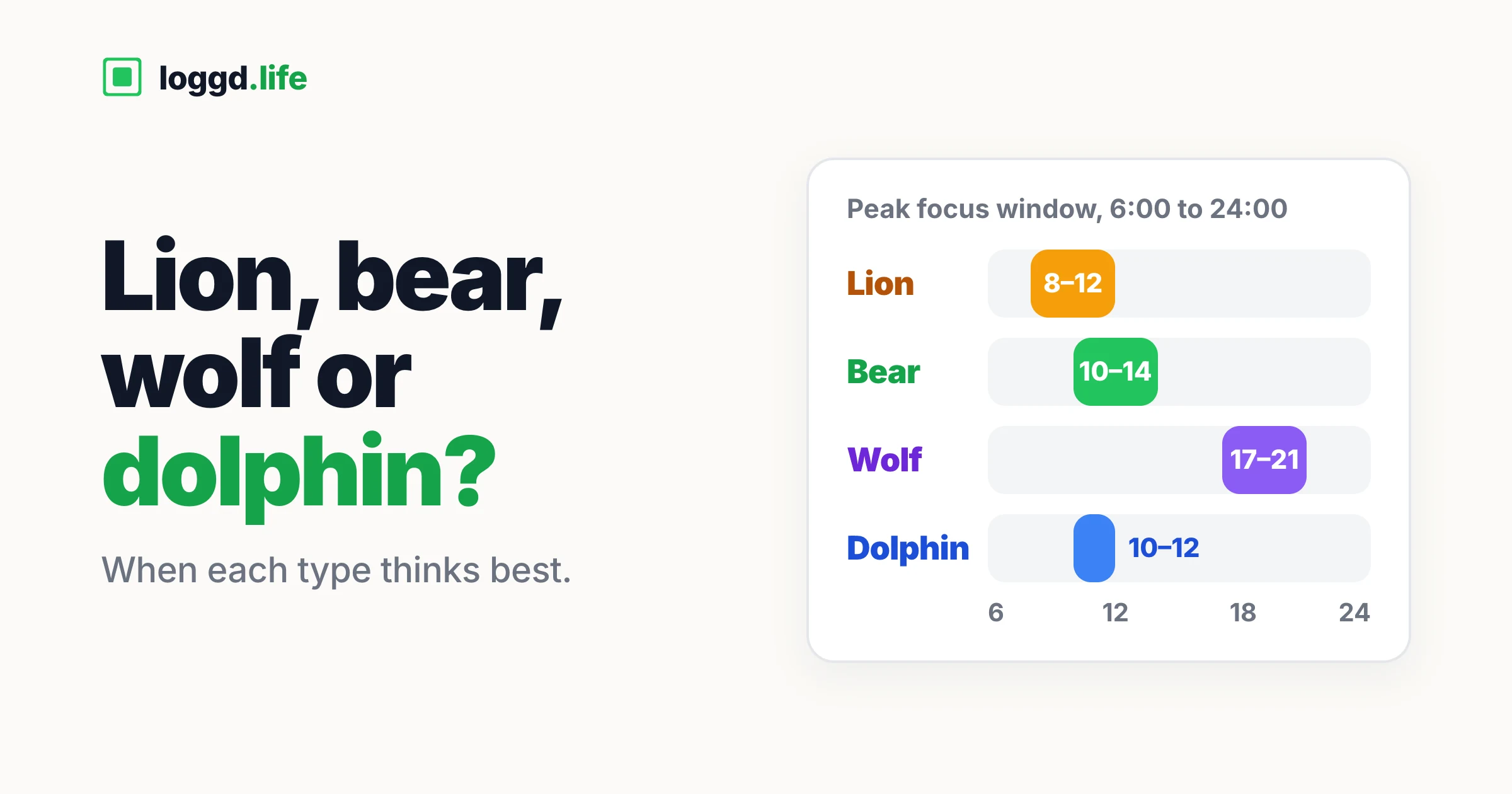
What a chronotype really is, where the four animal names came from, and how to use your type when your job refuses to move. Includes the per-type schedule table.
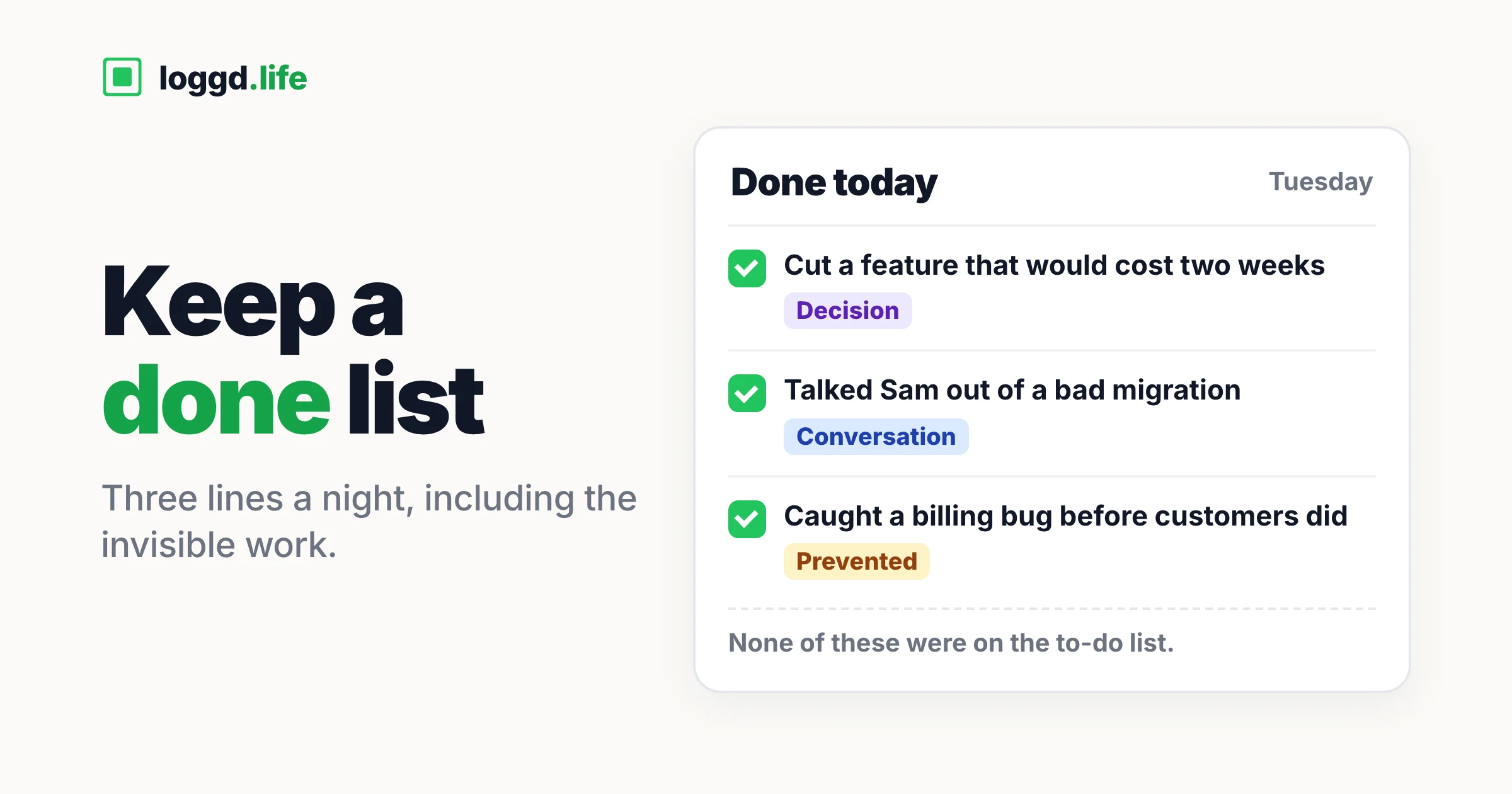
A to-do list is a permanent record of what you have not done. A done list is the same day, inverted. Here is how to run one in three lines a night.
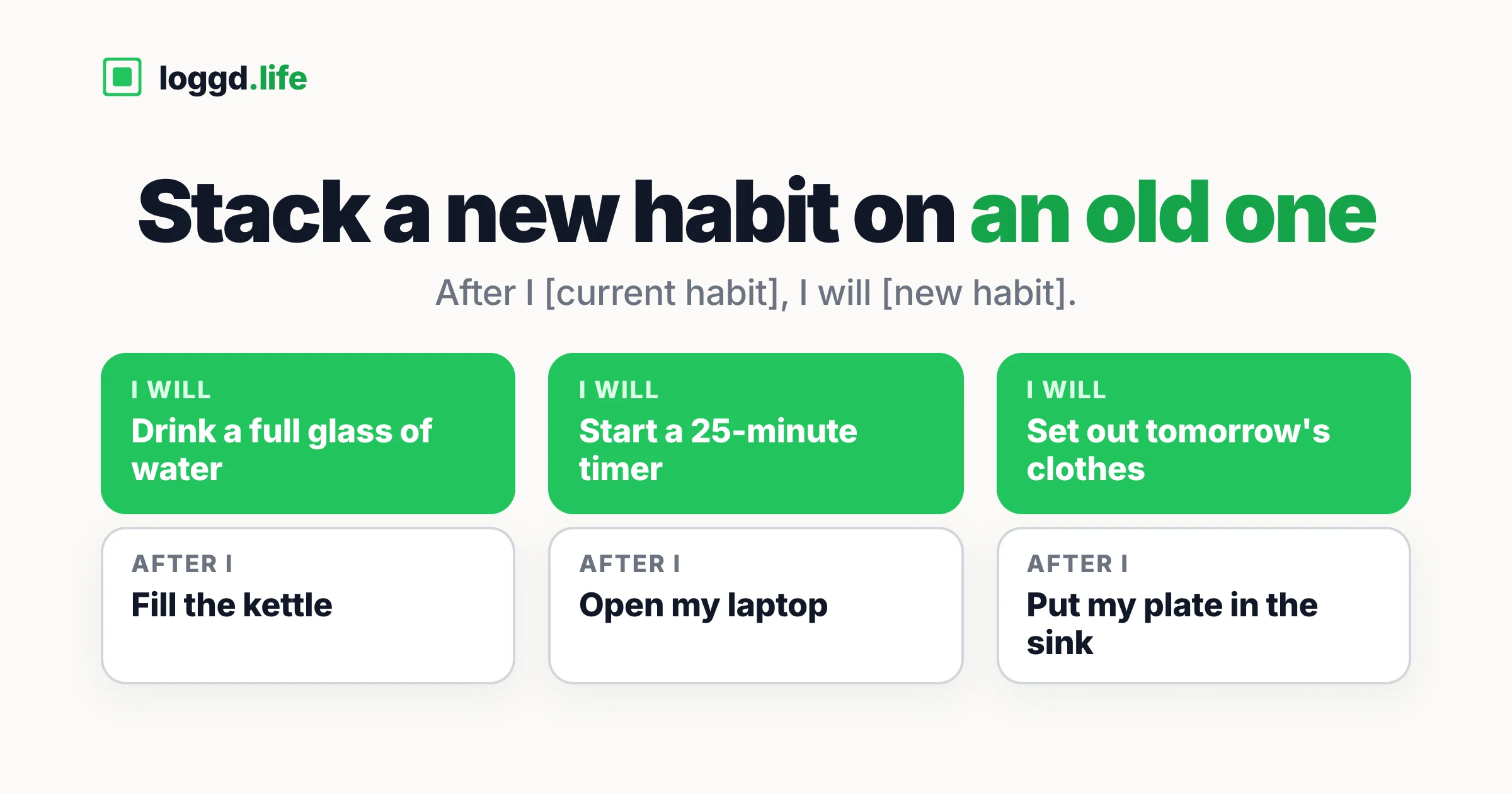
The formula is one sentence. Choosing the anchor is the whole skill. Thirty concrete habit stacks for mornings, work, evenings, parents and remote days, plus why stacks break.
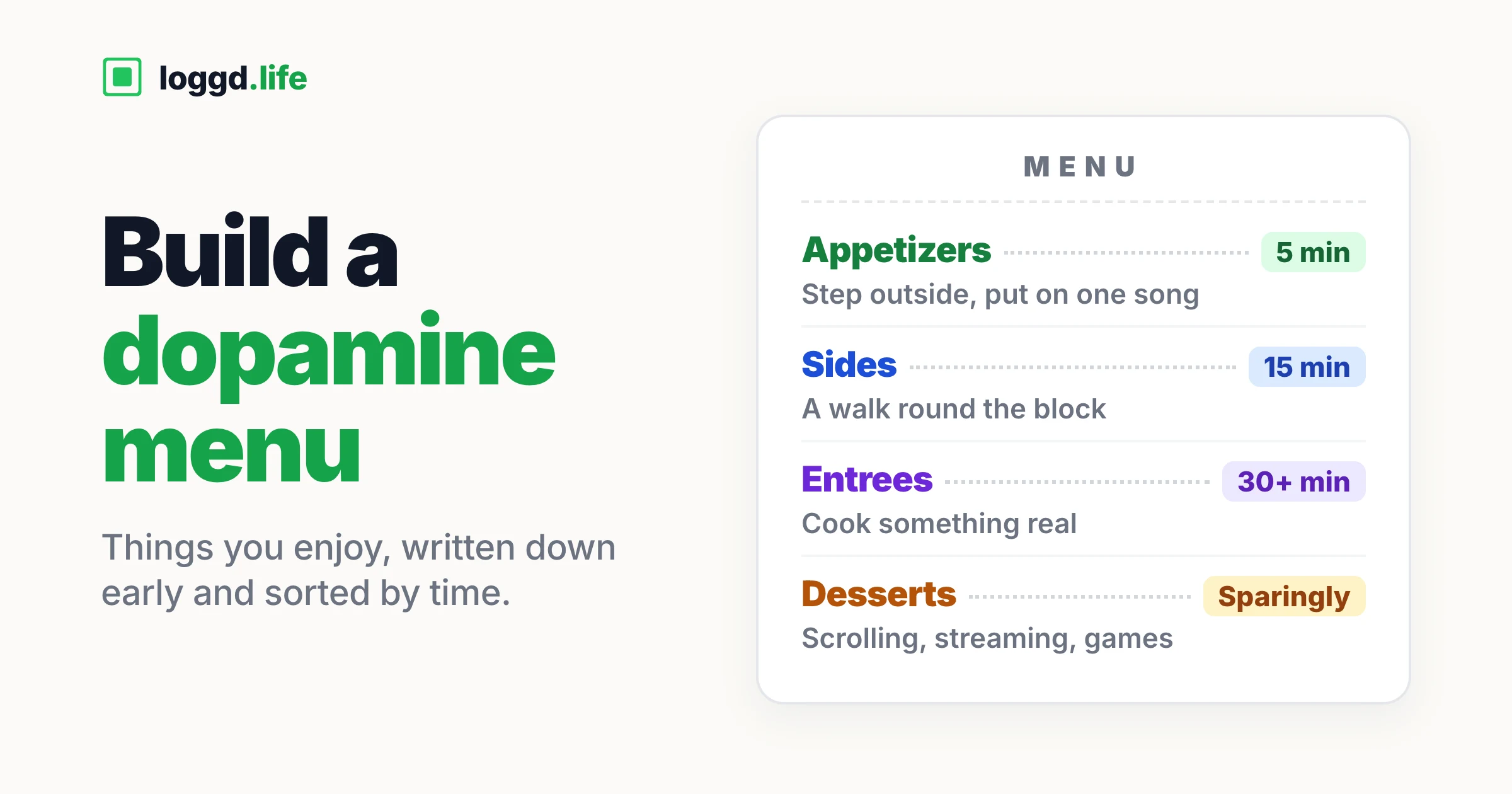
A dopamine menu is a pre-written list of rewarding things to do, sorted by how long they take. Here is how to build one, and an honest note about what the name actually means.
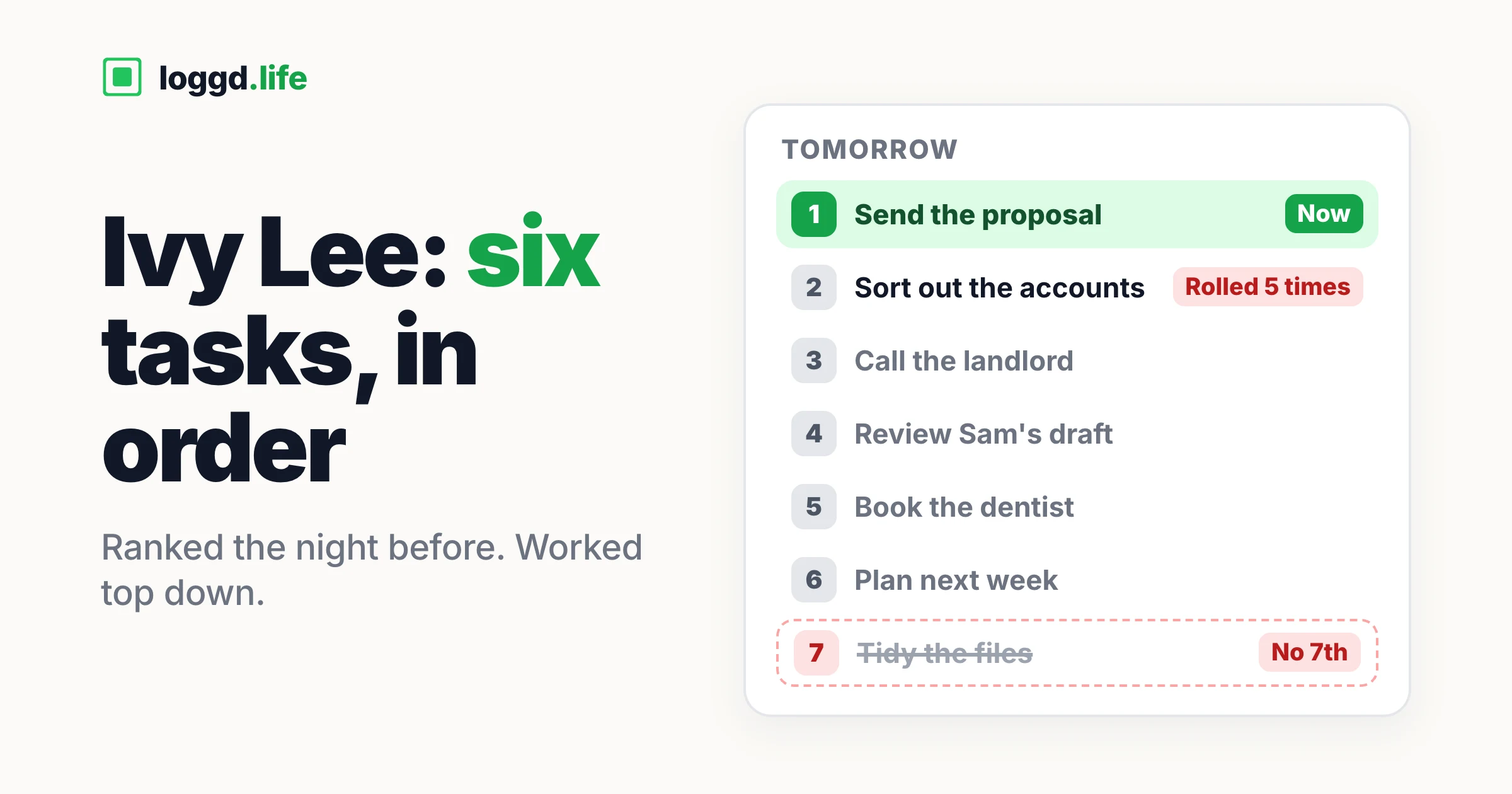
The 1918 story is folklore, but the routine survives on mechanics: six tasks, ranked the night before, worked strictly top down. Here is what the cap does, what the order does, and when six is too many.
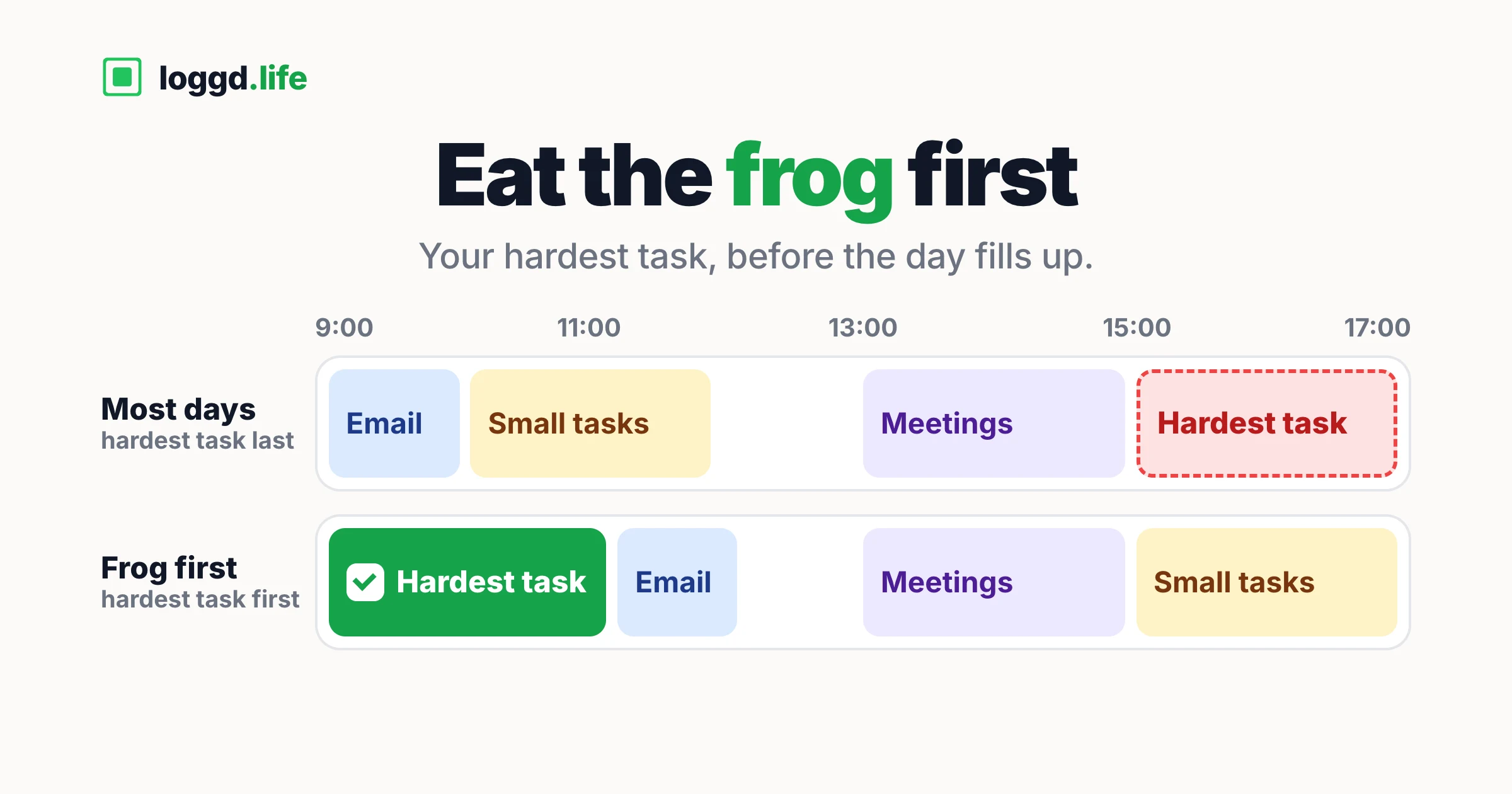
The disputed Twain quote, what Brian Tracy actually built on it, how to pick the right frog, and the two situations where doing the hardest task first is the wrong advice.
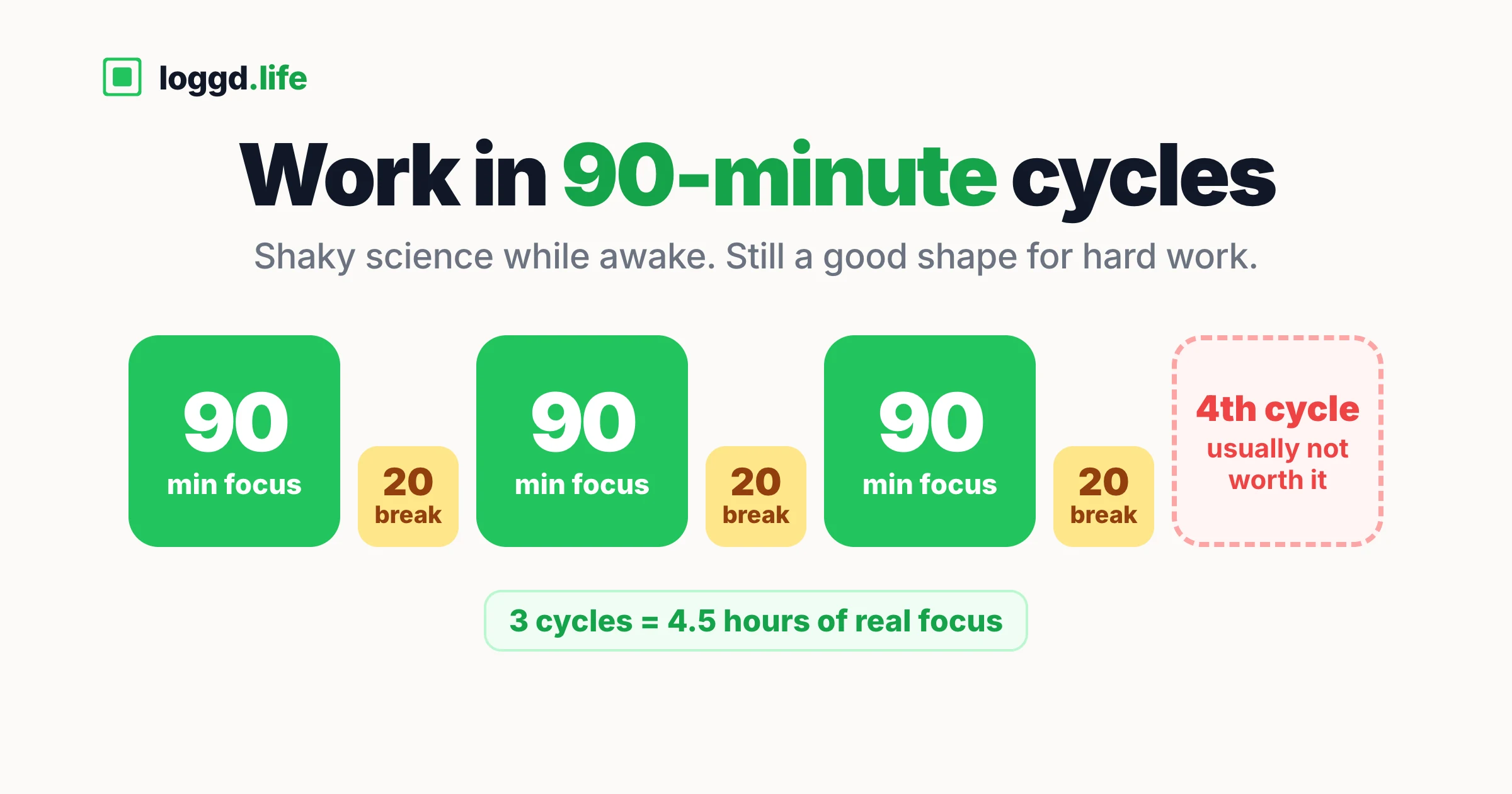
The 90-minute cycle is solid sleep science and much shakier once you are awake. Here is the honest status, and why the 90/20 template is still worth running.
No posts match ""
Track habits, manage tasks, set goals, and level up with gamification. All in one free app.
Start Free